What Is SAFe? The Honest Definition of the Scaled Agile Framework
Let's start with the definition you came for, with none of the sales language attached.
SAFe (Scaled Agile Framework) is a commercial framework for applying agile practices across large organizations. It organizes 50 to 125 people into "Agile Release Trains" that plan together in fixed 8-to-12-week cycles, adds layers of roles and governance on top of team-level agile, and is sold by Scaled Agile, Inc. through training, certification, and licensing. It was created by Dean Leffingwell and first released in 2011. By recent industry estimates it's used by roughly 37% of large enterprises running an agile transformation, which makes it the most adopted scaling framework in the world.
That's the honest one-paragraph answer. Most definitions stop there, or worse, paste in the marketing.
I've seen SAFe rollouts up close. So this definition comes with the part the training slides leave out: what SAFe is designed to do, what it actually does inside real companies, and what it costs. Read the whole thing before your organization signs anything.
How SAFe Is Supposed to Work
Fair is fair. Here's the framework as designed, and accurately.
SAFe takes team-level agile, Scrum or Kanban, mostly unchanged, and wraps coordination machinery around it:
The Agile Release Train (ART). The core unit. Five to twelve teams, 50 to 125 people, organized around a value stream. The metaphor is deliberate: everyone moves together, on a schedule.
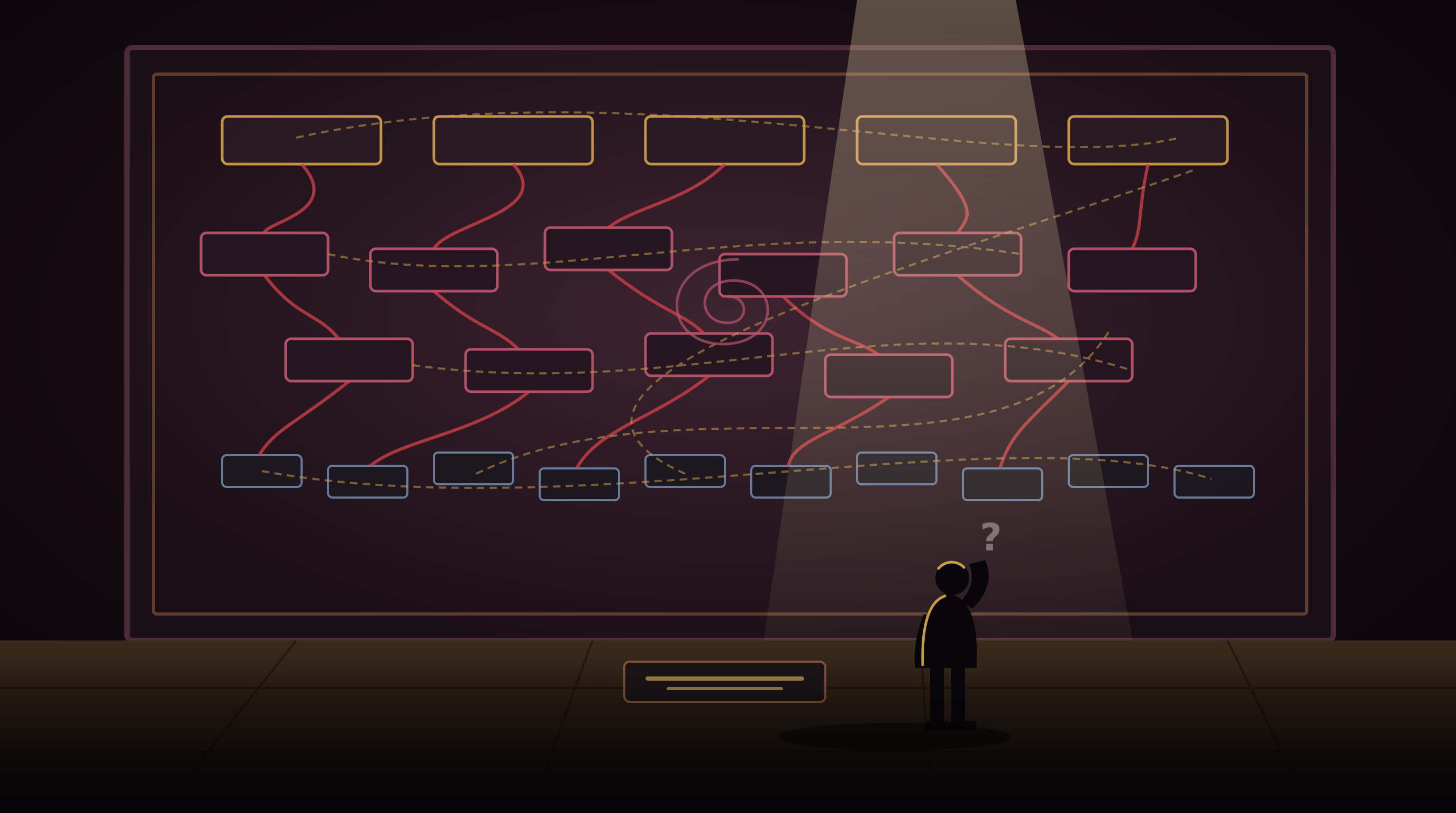
The Planning Interval (PI). A fixed cycle of 8 to 12 weeks. Each one starts with PI Planning: a two-day, all-hands event where every team on the train plans the next interval together, maps dependencies with string and sticky notes, and commits to PI objectives.
New roles. The Release Train Engineer (RTE) runs the train. Product Management sits above Product Owners. System Architects own technical direction across teams. Business Owners assign value to objectives.
Configurations. SAFe ships in four sizes, Essential, Large Solution, Portfolio, and Full, scaling from "a few teams" to "the entire enterprise," with portfolio-level budgeting and strategy layers at the top.
Versions. The framework is versioned like a product, currently SAFe 6.0, which among other things renamed "Program Increment" to "Planning Interval." Each major version updates the Big Picture diagram, the famous poster with the trains and the layers, and refreshes the training catalog.
If that sounds like a lot of structure, that's not an accident and it's not a bug. It's the pitch. SAFe's promise to a large organization is: you can have agile without losing predictability, planning, or hierarchy.
Hold that sentence. It explains everything that follows.
What SAFe Becomes Inside Real Companies
Now the part I've watched three times with my own eyes.
The teams keep their standups and sprints. On top of them lands a coordination apparatus that consumes the calendar: PI Planning, pre-PI Planning, ART syncs, Scrum of Scrums, PO syncs, System Demos, Inspect & Adapt. The new roles arrive, and people who shipped software last quarter now attend alignment meetings about the people who still do.
And the two-day planning event produces the thing agile was invented to escape: a committed 10-week plan with fixed scope and fixed dates. Teams estimate work they haven't seen, in a room, under pressure to fill a board. Then reality arrives, the plan bends, and the framework's answer is a metric, Program Predictability, that measures whether you hit the objectives you guessed at. I've called this pattern waterfall in disguise before, and SAFe is its most institutional form.
None of this means the people are failing. The framework is doing exactly what it was designed to do: give a large hierarchy the vocabulary of agility with the mechanics of central planning. That's why executives buy it, and why the buyer being the executive, not the team, is the single most important fact about SAFe's business model.
What SAFe Costs
Three numbers to take into the meeting.
Training and certification. Courses typically run $500–$1,500 per seat, across 20+ role-based certification tracks. And SAFe certifications expire every year, with renewal tiered at $195 for the foundational certs, $295 for advanced and $995 at the top, per person, per cert. Multiply by every certified person in your organization, forever.
The ceremony time. A single 100-person ART spends roughly $800,000 per year on PI Planning alone under conservative assumptions (100 people × $800/day fully loaded × 2 days × 5 events). Before travel, prep, and the sync meetings between events.
The engagement. SAFe rarely arrives without consultants, and transformations have a way of never ending. When a rollout underdelivers, the standard diagnosis is "implementation problems," which converts every failure into more training. Budget accordingly.
Is SAFe Actually Agile?
The strongest criticism of SAFe doesn't come from people like me. It comes from inside the agile establishment.
Ken Schwaber, co-creator of Scrum, wrote a post in 2013 titled "unSAFe at any speed," arguing the framework repackaged the heavyweight process industry the Agile Manifesto rebelled against. Jeff Gothelf's widely shared essay says it in four words: "SAFe is not agile." The community evidence project SAFe Delusion has spent years collecting practitioner reports of stalled and abandoned adoptions.
The structural argument is simple. Agile, whatever's left of the word, means short feedback loops, small autonomous teams, and the ability to change direction cheaply. SAFe means synchronized 10-week commitments across 125 people, dependency management as a permanent institution, and a portfolio layer approving the work upstream. You can call that many things, coordinated, predictable, familiar. The one thing it demonstrably isn't is adaptive.
My longer answer to why the framework survives this contradiction is its business model, which doesn't require it to work. The short answer here: because the contradiction is the product. Enterprises don't want to change how power flows. SAFe lets them not change it, and call the result a transformation.
When SAFe Might Still Make Sense (Honestly)
I said honest definition, so here's the uncomfortable part for readers who expect me to say "never."
If you are a 10,000-person regulated enterprise with deeply coupled legacy systems, fixed regulatory deadlines, and a management culture that will not decentralize decisions no matter what any coach says, SAFe will at least give your existing bureaucracy a shared vocabulary and a planning rhythm. Some coordination beats no coordination. A visible dependency board beats invisible dependencies.
But understand what you're buying: a management operating rhythm, not agility. And before you buy it, price the alternative nobody sells at a conference booth: fixing the dependency graph itself. Platform engineering. Team boundaries that match the architecture. Fewer, smaller, fully staffed teams that can ship without a synchronized event. The things that actually ship software don't come with a poster.
You can't scale a team practice. You can only shrink the number of people who must agree before value ships. Every framework that promises otherwise is selling you the meeting where the agreement happens.
FAQ
What does SAFe stand for? Scaled Agile Framework. The lowercase "e" exists to make the acronym spell a reassuring word instead of "SAF."
Who owns SAFe? Scaled Agile, Inc., majority-owned by private equity firm Eurazeo and partners since a roughly $300 million transaction in 2021. The framework is a commercial product: training, certification, and licensing are the revenue.
What is an Agile Release Train? SAFe's core organizational unit: 5–12 teams (50–125 people) that plan, commit, and demo together on a fixed 8–12-week cycle called a Planning Interval.
What is PI Planning? A two-day, all-hands planning event at the start of each Planning Interval where all teams on an ART build a committed plan and map dependencies. It's SAFe's flagship ceremony, and its most expensive: roughly $800K/year per 100-person train under conservative assumptions.
Is SAFe agile or waterfall? Structurally it's a hybrid that leans waterfall at scale: team-level sprints inside fixed 10-week committed plans with upstream portfolio approval. Scrum co-creator Ken Schwaber and other agile insiders have publicly argued it isn't agile at all.
What are the alternatives to SAFe? Other scaling frameworks exist (LeSS, Scrum@Scale, Nexus), but the structural alternative is descaling: reducing cross-team dependencies through architecture and platform work so teams can ship independently, and measuring lead time and deployment frequency instead of framework adoption.
Benjamim Castell writes about the distance between process as promised and delivery as practiced.
Most of them were trapped in what I call Risk Management Theater and didn't even know
Keep reading
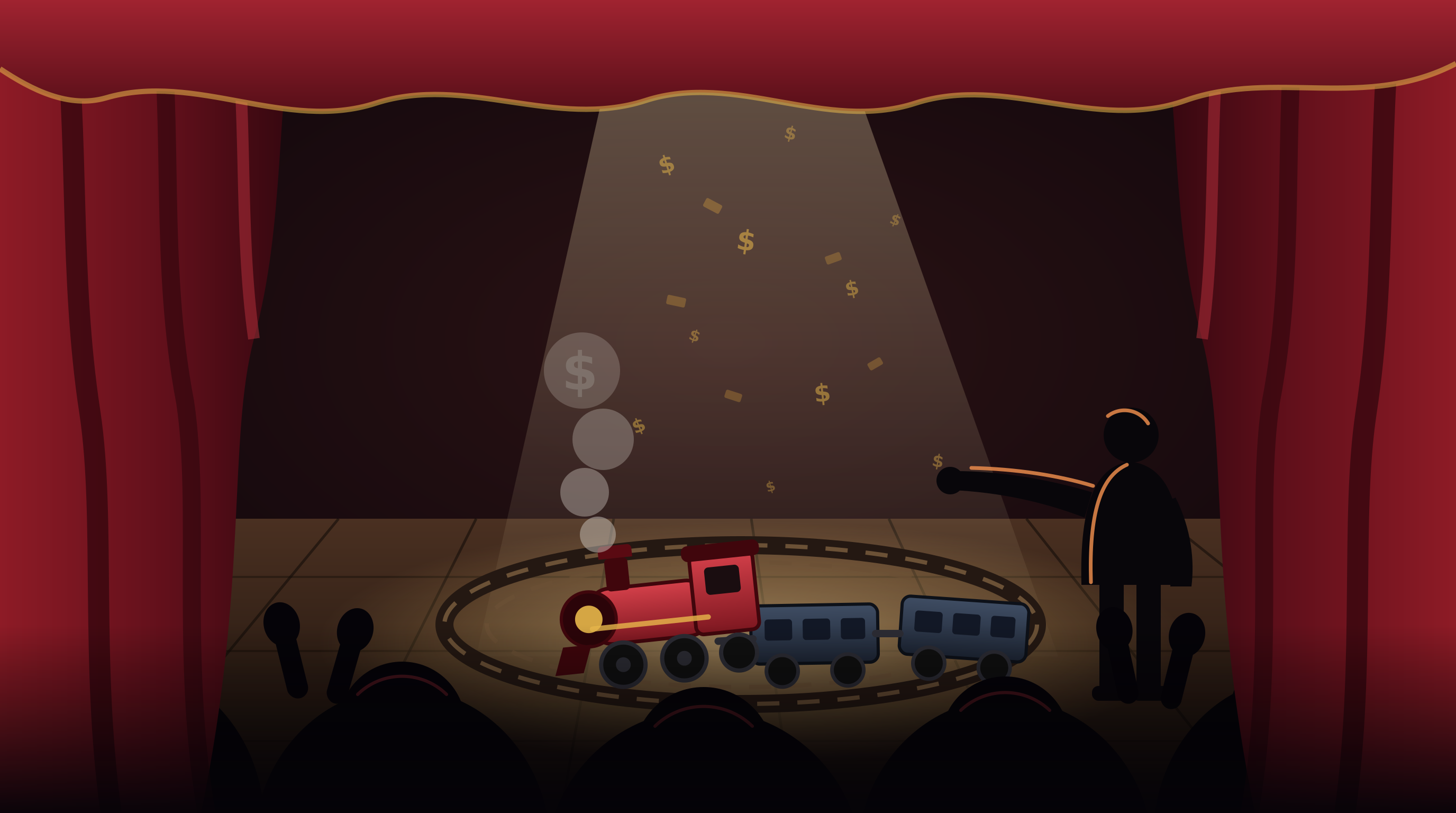
SAFe Doesn`t Need to Work: The Business Model Behind Agile`s Most Profitable Framework
Private equity paid ~$300M for Scaled Agile Inc. PE doesn`t buy methodologies, it buys recurring revenue. Follow the incentives and SAFe`s failure rate stops being a mystery.
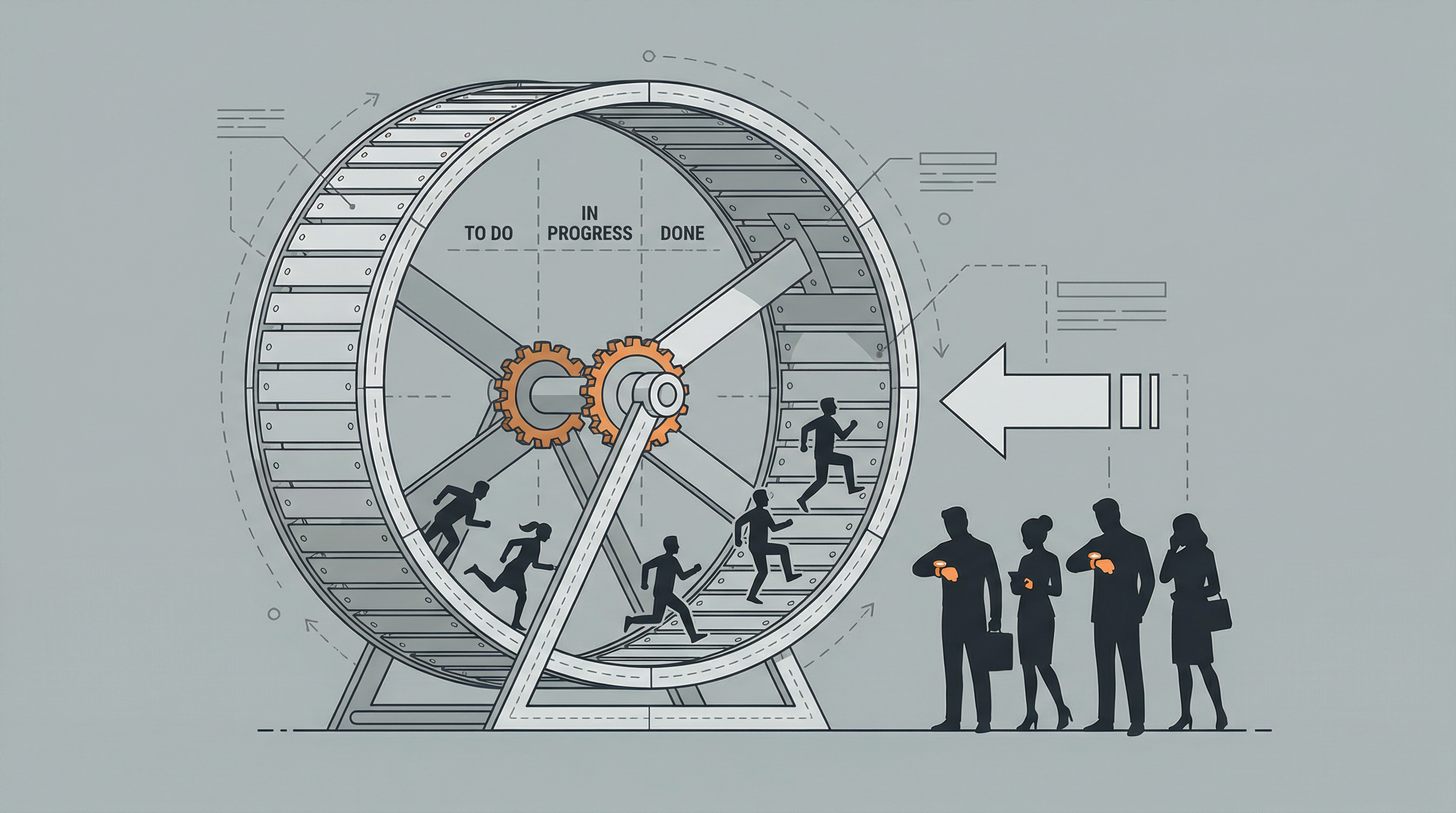
Moving Cards is not Definition of Progress
Task boards reward visible motion over real customer impact. Flow metrics become theater when detached from outcomes. Here`s why card movement isn`t progress.

When a Product Backlog Becomes an Archive
A practical test for separating active product decisions from historical requests without deleting useful context or inventing a universal aging rule.
Get the next war story in your inbox
Independent essays and practical models about what the process claims versus what actually ships. Published under a protected pen name. Free, no spam, unsubscribe anytime.
No certifications sold. No process religion. Unsubscribe anytime.